
When to come.
October and November are clear and settled. March to May brings rhododendron and warmer nights, with more afternoon cloud. The monsoon and deep winter close the pass.
- Autumn
- Oct – Nov · clearest
- Spring
- Mar – May · warmer
- Winter
- Dec – Feb · pass often closed
- Monsoon
- Jun – Sep · no departures
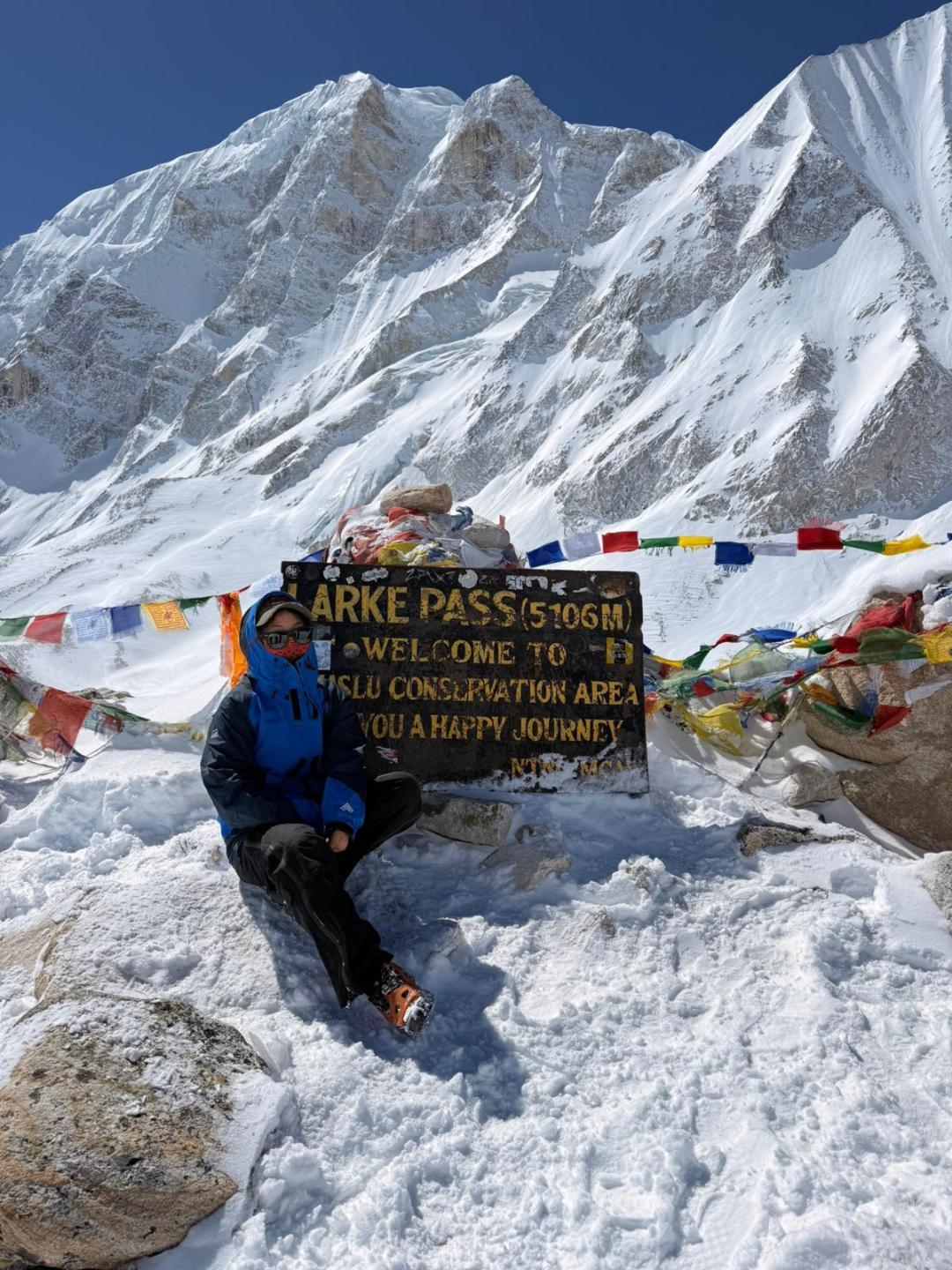
There are two trekking seasons in the Manaslu region and two seasons in which almost nobody goes. The pass is what decides it. The Larkya La at 5,106 metres is exposed, holds snow, and closes.
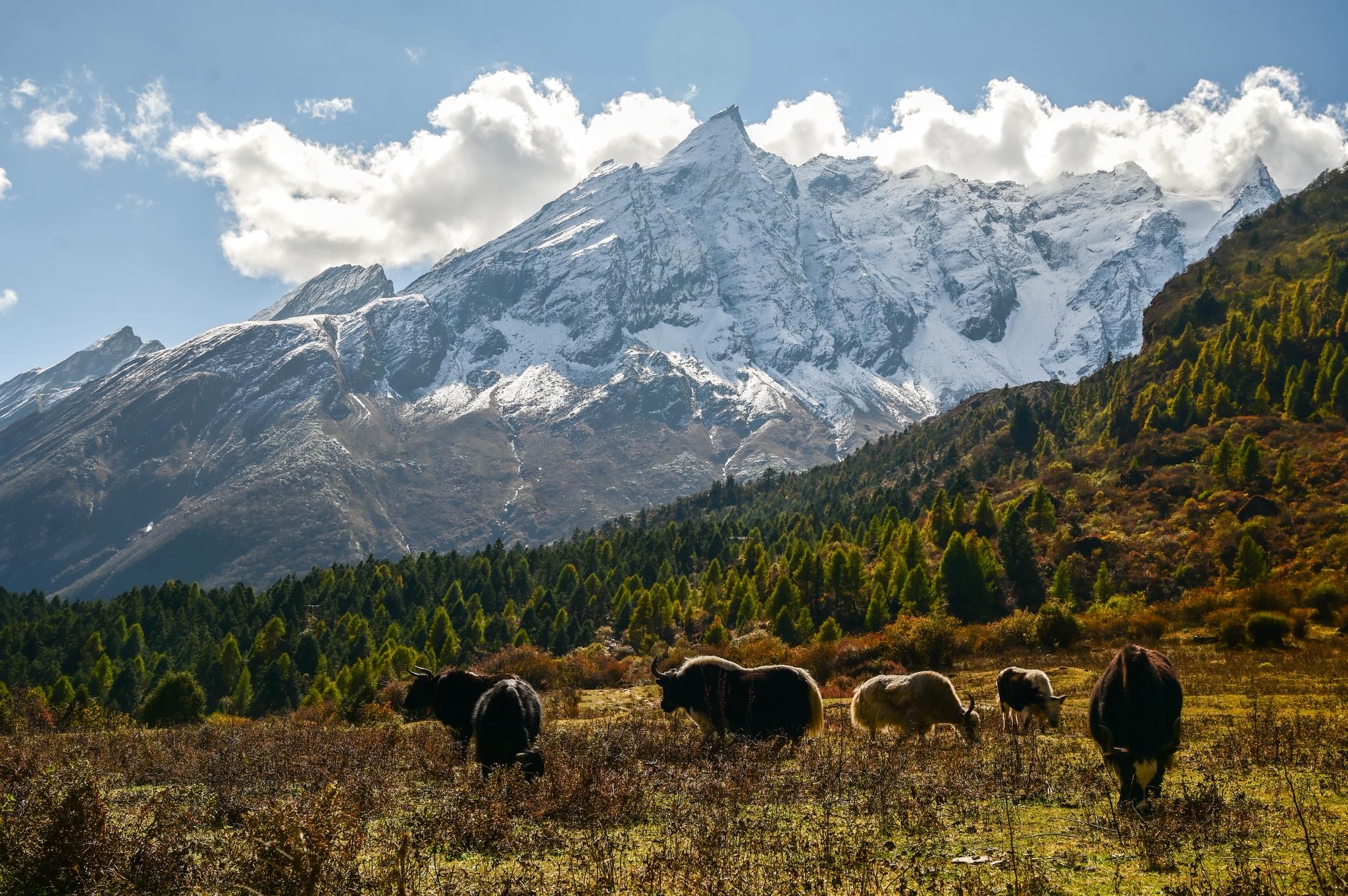
Autumn, from late September to late November, is the main season and the best of the two. The monsoon has washed the air, the skies are reliably clear, and the passes are open. October is the peak of it. Expect daytime temperatures around 15 to 16 °C in the middle valley, dropping to around minus one at night once you are above 4,000 metres, and considerably colder than that at Dharamsala before the pass. Late September can still catch the tail of the monsoon. Late November is colder, quieter and often still perfectly clear.
Spring, from March to mid-May, is the second season. Nights are warmer, the rhododendron forests in the lower gorge are in flower through late March and April, and the trail is quieter than in October. The trade-off is haze and afternoon cloud, which builds through the season, so the mountain views are less dependable than in autumn. Spring is also the Manaslu climbing season on the south side and the Everest season everywhere else, so guides are in demand.
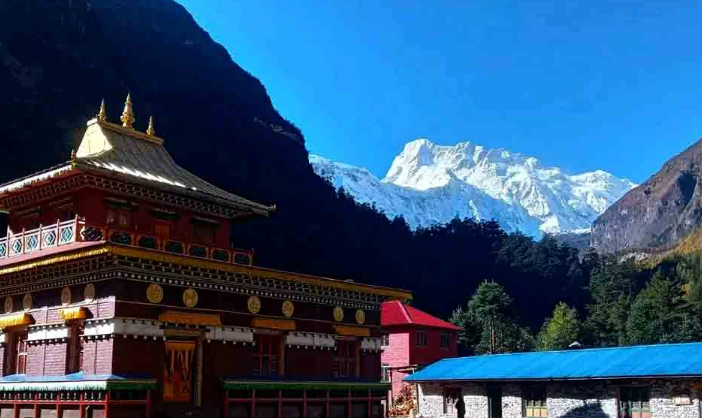
Winter, December through February, is not impossible but it is a different trip. The lower valley is pleasant and the light is extraordinary. The Larkya La, though, is frequently snowed shut, and many of the high lodges at Samdo and Dharamsala close for the season because the families move down. A winter journey to Samagaun and back is genuinely good. A winter attempt on the full circuit is a gamble on a pass that may not open.
The monsoon, June to early September, we do not run. Rain in the lower gorge is heavy, leeches are constant, the views are absent, and the real problem is landslides on both the road and the trail. It is also the season the villages need for their fields. We take the departures off the calendar rather than sell a bad trek.
Two scheduling notes if your dates can move. Lhosar, the Tibetan new year, falls in February and is the largest festival in both valleys. Saka Dawa falls in May or June. Either is worth building a journey around, and both fall outside the peak-season crowds.
- Autumn · late Sep to late Nov · clearest skies, busiest trail, best pass conditions
- Spring · Mar to mid-May · warmer nights, rhododendron, hazier views
- Winter · Dec to Feb · beautiful low down, pass often closed, high lodges shut
- Monsoon · Jun to early Sep · landslides and leeches, no Drokpo departures
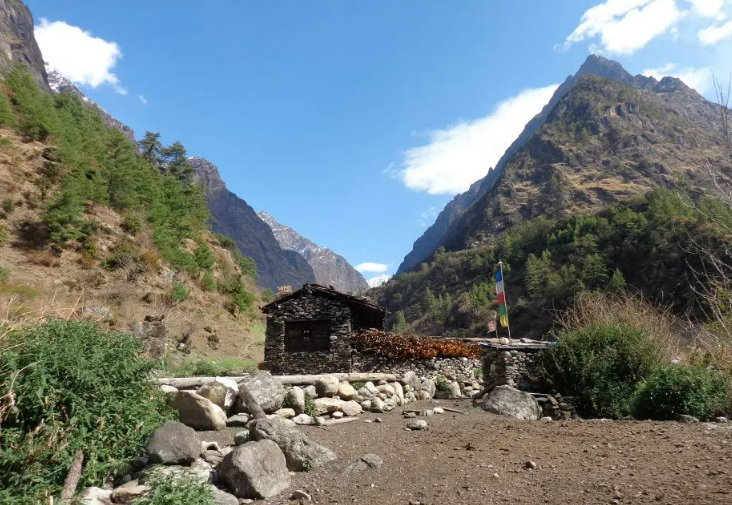
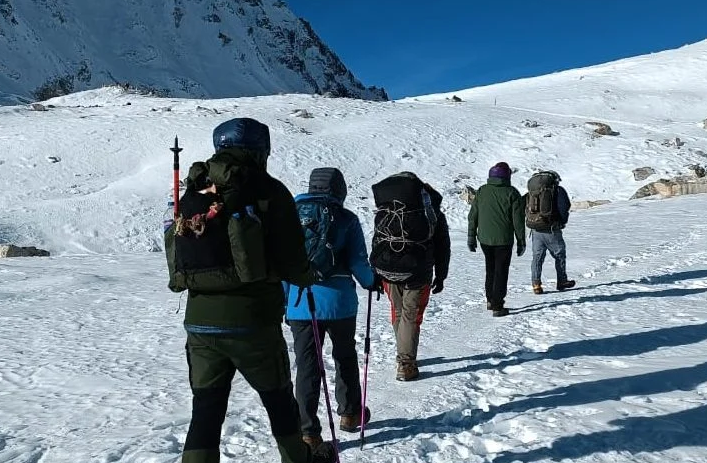
What is the single best month for the Manaslu Circuit?
October. The monsoon has cleared the air, the Larkya La is reliably open, and daytime temperatures in the middle valley sit around 15 to 16 °C. It is also the busiest month, so if you would rather trade a little weather certainty for a quieter trail, late November and early April are both excellent.
How cold does it actually get?
In October, expect roughly 15 to 16 °C by day in the middle valley and around minus one at night above 4,000 metres. Dharamsala, the last stop before the pass at about 4,460 metres, is colder than that and has the most basic lodging on the route. A sleeping bag rated to minus 10 °C is sensible in autumn and minus 15 °C in winter or early spring.
Can the Larkya La be crossed in winter?
Sometimes, but it should not be planned on. From December to February the pass is frequently blocked by snow, and several of the high lodges at Samdo and Dharamsala close because the families move to lower ground. A winter trek as far as Samagaun and back is a fine trip. A winter circuit is a gamble.
Why do you not run treks during the monsoon?
Landslides. From June to early September the road up the Budhi Gandaki and the trail above it are both prone to slides, and the risk is not one a good itinerary can plan around. Add continuous rain, leeches below Jagat, and no views. The villages also need those months for their fields.
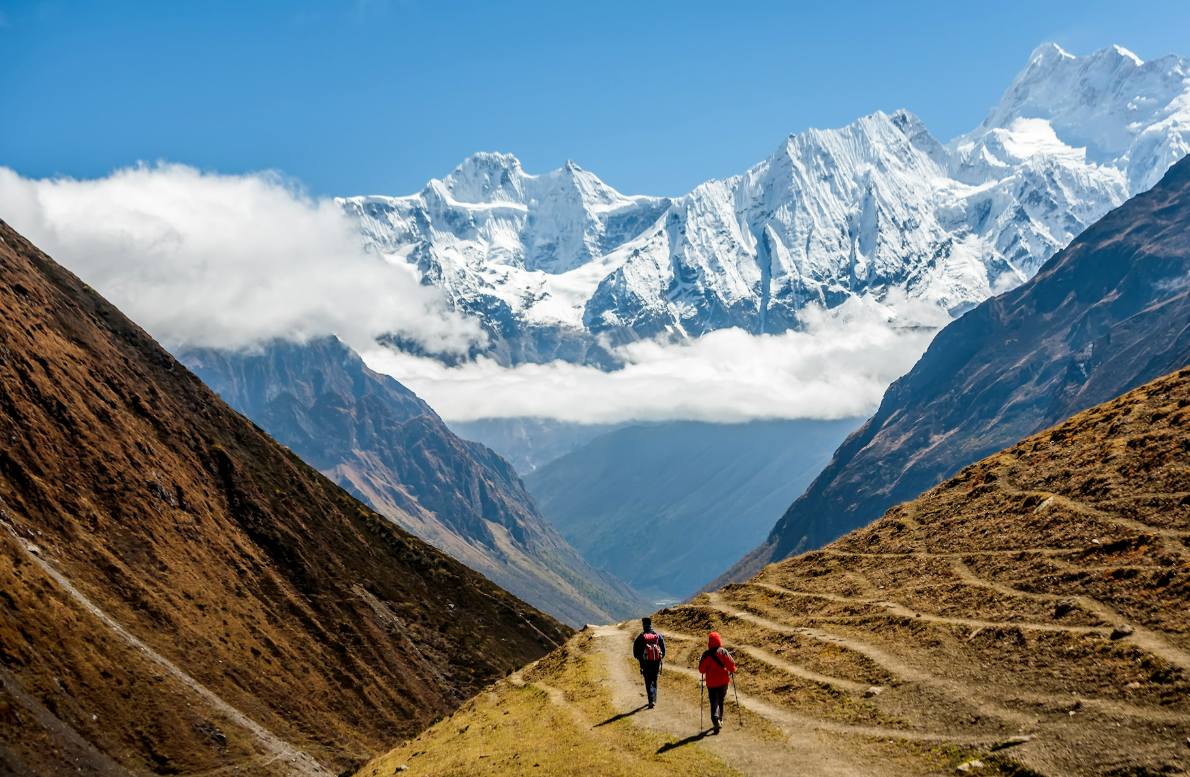
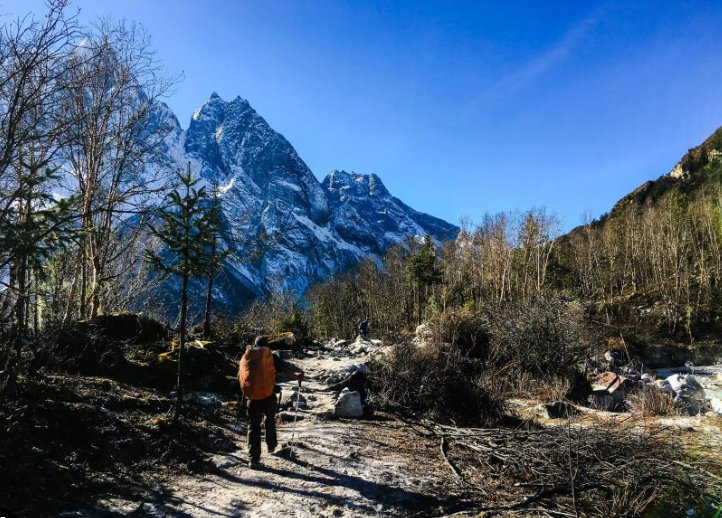

Three ways to walk Manaslu.
Everything on these pages is walked on one of our journeys. Start with the three we are asked about most.

Ready to walk?
Tell us your dates and pace. A journey designer replies within two days.